Voters in 36 states will elect a governor on Nov. 3, and analysts say a good number of those races are close. Right now, Republicans hold 26 governor’s offices and Democrats hold 24.
Most of the attention in the midterms goes to the House and Senate, but governors have a big say in how states handle elections, taxes, health care and schools. Here is a plain-language look at where the closest races are.
The split
The 36 states electing governors are evenly divided between Democratic and Republican incumbents, according to the Brookings Institution. About a third of the races are seen as competitive. Many sitting governors are term-limited, so a number of the contests are open races with no incumbent.
Races that look close
NPR’s guide to this year’s governor races named eight states that look close: Arizona, Georgia, Iowa, Kansas, Michigan, Nevada, Ohio and Wisconsin.
- Kansas: Brookings says Republicans view it as their top pickup opportunity. The state has a history of switching between parties in the governor’s office.
- Nevada: Newsweek has described Republican Gov. Joe Lombardo as the GOP’s most vulnerable incumbent. Democrats hope to win there and in Ohio to break up Republican control of those states.
- Iowa: A seat open because the current governor is retiring. Brookings calls the race highly competitive even though the state has trended Republican.
- Michigan, Wisconsin and Georgia: Three presidential battleground states where the current governors are not running again, so the races are open.
- Arizona: Another battleground state with a closely watched race.
What is at stake
Brookings points out that Democrats are defending governorships in five states that President Donald Trump won in 2024. Only two Republican-held governorships are in states that Kamala Harris carried.
Republicans see chances to win back seats because many governors elected in the last midterm, in 2018, are term-limited. In 2018, Democrats picked up seven governorships that Republicans held.
Why it matters
Governors run state governments and often decide how federal programs are carried out in their states. Democrats have leaned on their governors to push back on parts of the Trump administration’s agenda, while Republican governors have generally backed it. Analysts also watch these races for hints about the national mood heading into the midterms.
What happens next
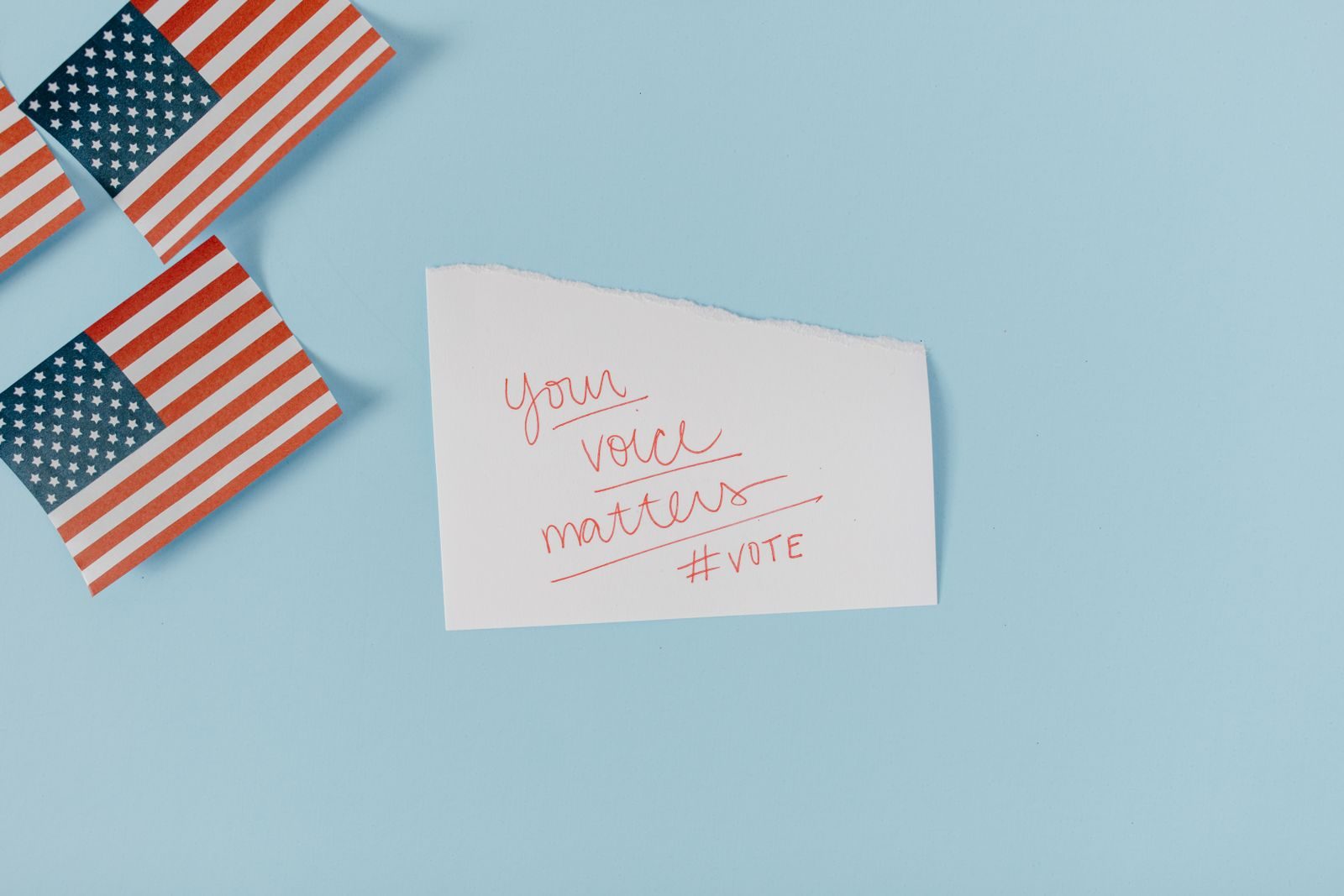
Election Day is Tuesday, Nov. 3. Early voting is already underway in many states, and groups held thousands of events on Saturday to encourage it, as we reported in our No Kings early voting story. Most governor races will be decided that night, though close contests can take longer to call.
Ratings and polls shift as the election gets closer, so check the Cook Political Report, Sabato’s Crystal Ball or your state’s election website for the latest.