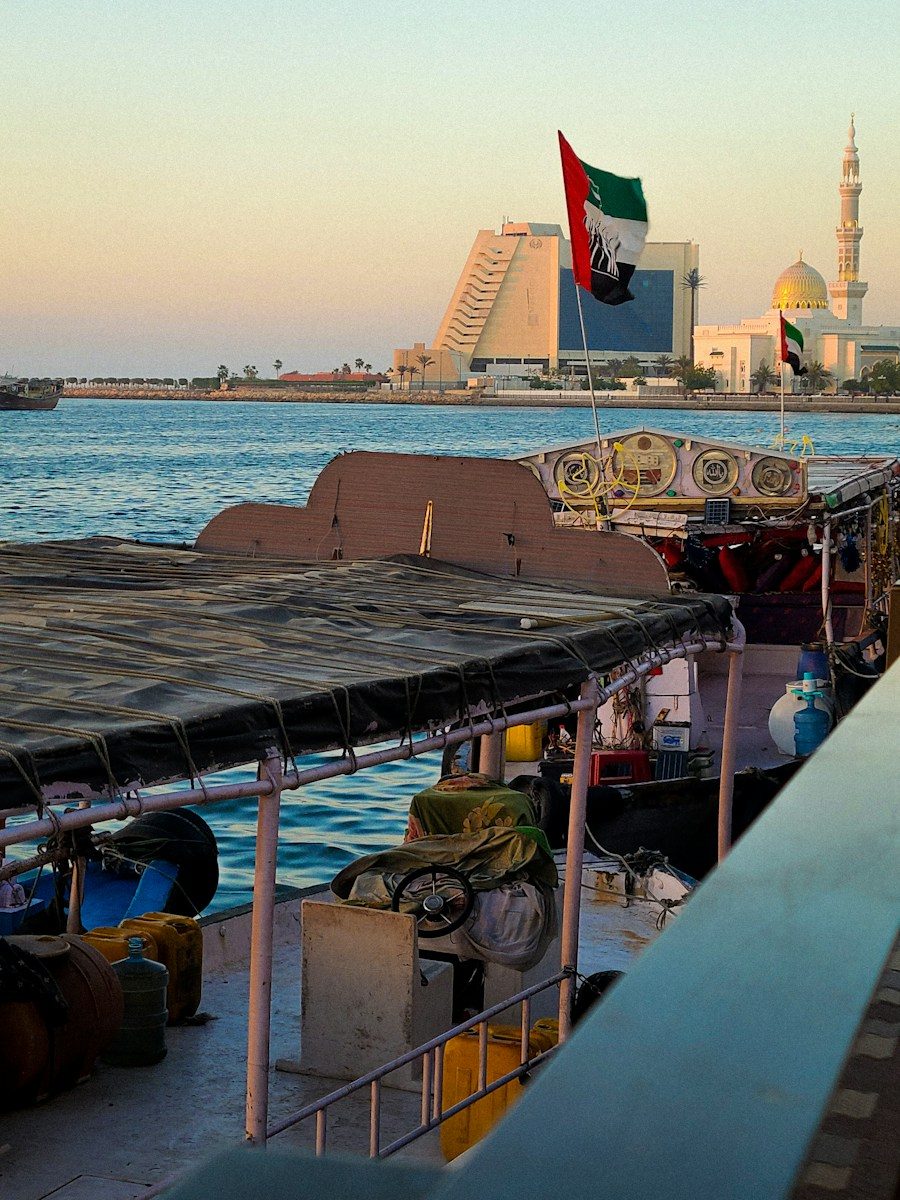
The United Arab Emirates is blaming Iran for drone attacks on two oil tankers in the Strait of Hormuz, the Associated Press reported. The UAE’s Foreign Ministry called the attacks “acts of piracy” on Friday, Oct. 16. There was no immediate response from Iran.
The attacks add to tension in a key shipping route as the U.S. and Iran remain locked in a war that began on Feb. 28.
What happened
Abu Dhabi’s state-owned oil and gas company, ADNOC, said two of its tankers were attacked Thursday evening while passing through the strait. The British military’s maritime trade center, known as UKMTO, said two vessels were reported to have suffered minor damage when drones hit them.
The UAE Foreign Ministry blamed the Iranian Revolutionary Guard Corps. It said using the strait “as a tool of economic coercion or blackmail” is a direct threat to the stability of the region and to global energy security. It also called the attacks a “flagrant violation” of United Nations principles of freedom of navigation.
Why the Strait of Hormuz matters
The strait is a narrow waterway at the mouth of the Persian Gulf. A large share of the world’s oil moves through it. When ships are attacked there, insurance costs rise and fewer vessels make the trip, which can push fuel prices higher.
Iran’s military has said all oil tankers must use routes it approves. The U.S. and many Gulf Arab states say they will not accept Iran charging ships for passage.
What it means for prices
The war has already hit fuel costs in the U.S. NBC News reported earlier this week that diesel prices are up almost 70% since the conflict began. President Donald Trump’s decision to waive new Russia sanctions was tied to a diesel supply deal; see our report on the sanctions waiver. Higher gasoline prices were also a major reason inflation rose to a four-month high in September, according to a government report released this week.
Other developments in the region
- Iraq: A drone was intercepted over Irbil, in an area home to hotels and consulates. It was not immediately clear who launched it. Since the war began, Iran and Iranian-backed Iraqi militant groups have regularly launched attacks on U.S. targets.
- Gaza talks: Jared Kushner, Nickolay Mladenov and former British Prime Minister Tony Blair, who serve on the Board of Peace that President Donald Trump set up to oversee the Israel-Hamas ceasefire, were set to arrive in Israel on Sunday for talks.
- West Bank: A standoff in the northern town of Qusra was described as the latest in a wave of settler violence in the territory.
The bigger picture
The U.S. has said it wants to move ahead with negotiations aimed at fully reopening the strait, rolling back Iran’s disputed nuclear program and ending the war permanently. Past attacks in the strait have led to U.S. retaliatory strikes, after which Iran attacked Gulf Arab states.
What’s next
Watch for whether Iran responds to the UAE’s accusation and whether shipping through the strait slows further. This story will be updated as new information is confirmed.