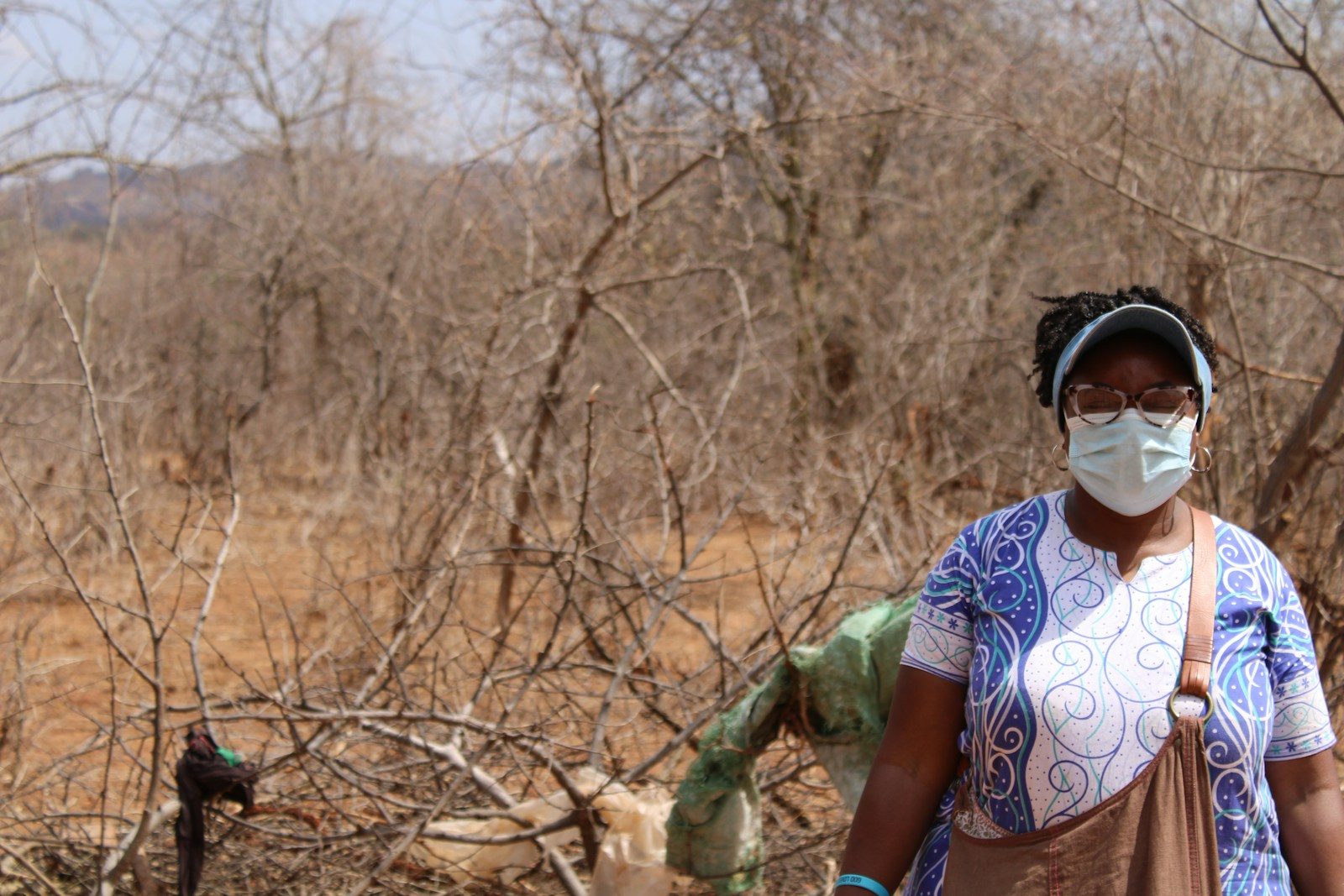
NAIROBI, Kenya — Kenya’s Ebola outbreak has grown to seven cases, including three health workers who cared for the country’s first patient, according to the Associated Press, citing Kenya’s Health Ministry. The cases are part of a large outbreak in eastern Congo that is the second biggest on record.
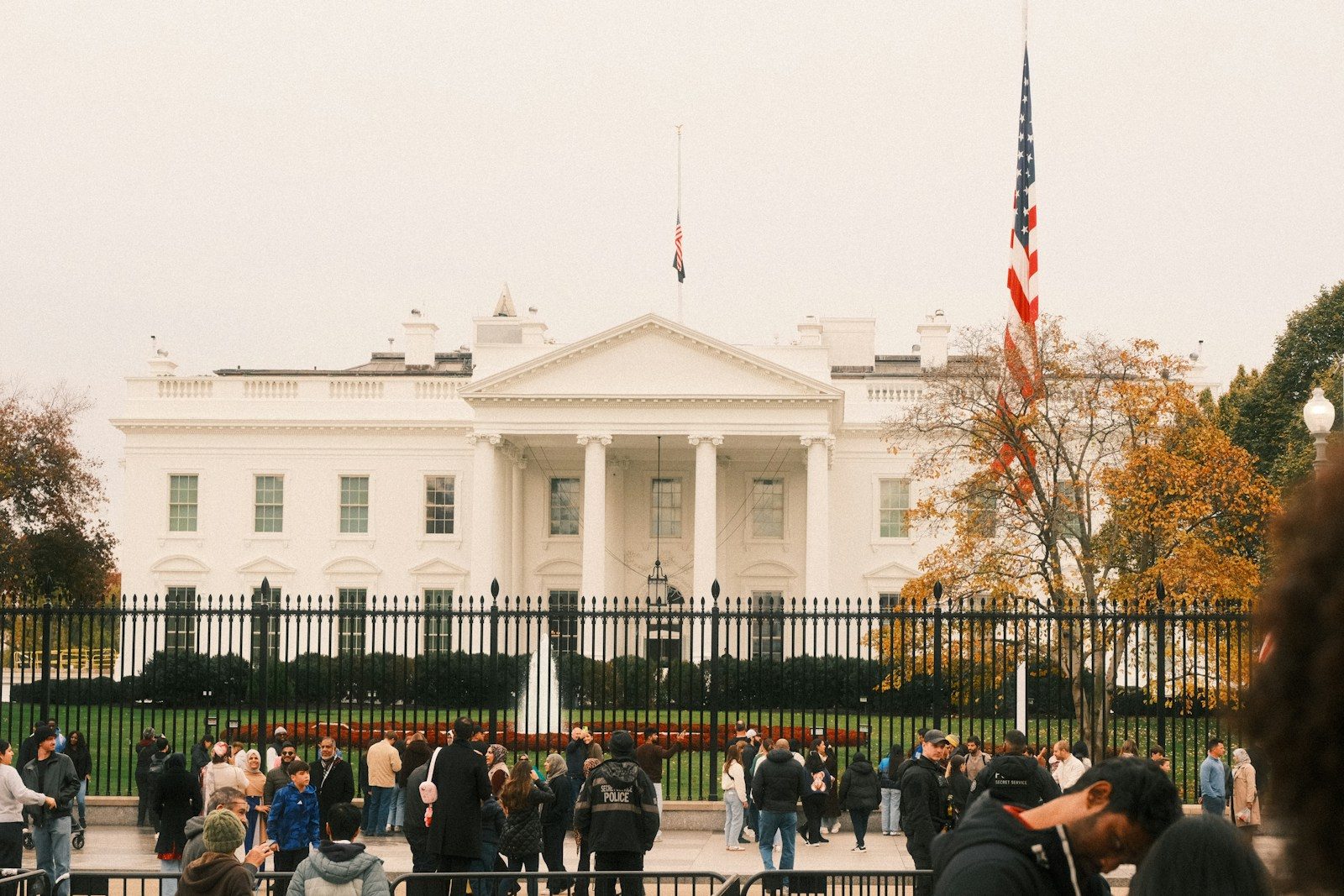
No Ebola cases have been confirmed in the United States, according to the most recent U.S. health statements in the reports reviewed. The U.S. has built its response around quarantines and travel limits.
What happened in Kenya
Kenya confirmed its first Ebola case on Oct. 6. A Kenyan citizen who had traveled from Congo died in Nairobi. He had spent a night in Uganda before flying to Kenya, according to the Africa CDC. Kenya had never had an Ebola outbreak before, the Associated Press reported. Health officials identified 28 contacts, including relatives and health workers who treated the patient.
Kenya’s health secretary, Aden Duale, said the country remains safe for travel and trade. He said nearly 5,000 health workers have been trained and that screening continues at 15 points of entry.
The wider outbreak
- Where: The outbreak was declared in mid-May in eastern Congo. The virus involved is Bundibugyo, a form of Ebola.
- Size: CDC figures through Oct. 2 counted 8,442 confirmed cases and 4,080 confirmed deaths in Congo.
- Other countries: Uganda reported 20 cases and ended its outbreak on Aug. 27. France has reported one case. Kenya is the fourth country with a case.
- WHO warning: The World Health Organization has warned the outbreak could pass the deadliest Ebola outbreak in history, which killed more than 11,000 people in West Africa a decade ago.
What the U.S. has done
- The U.S. built a 50-bed quarantine camp for American citizens on an air force base in central Kenya, where people exposed to Ebola stay for 21 days before returning home.
- In May, the Trump administration barred immigrants and legal permanent residents who had been in Congo, Uganda or South Sudan in the previous 21 days from entering the U.S.
- U.S. citizens returning from Congo must spend three weeks in a third country before entering the U.S., according to a July Reuters report. Travelers who had been in the affected countries also go through enhanced screening at Washington Dulles International Airport.
- The U.S. Embassy in Nairobi issued a health advisory for travelers on Oct. 7.
Two Americans have been infected so far. The first was treated in Germany in May and recovered. The CDC confirmed a second case in July.
What Ebola does
The disease can cause fever, vomiting and diarrhea. In severe cases it can cause internal and external bleeding. It spreads through contact with the body fluids of a sick person, not through the air in the way colds and flu do.
What to know
The World Health Organization has recommended against travel restrictions on affected countries. The U.S. has chosen to limit entry, and the policy has drawn criticism from some public health experts. Travelers can check the CDC’s Travelers’ Health pages for current guidance on Kenya, Congo and Uganda. This story will be updated as case counts change.