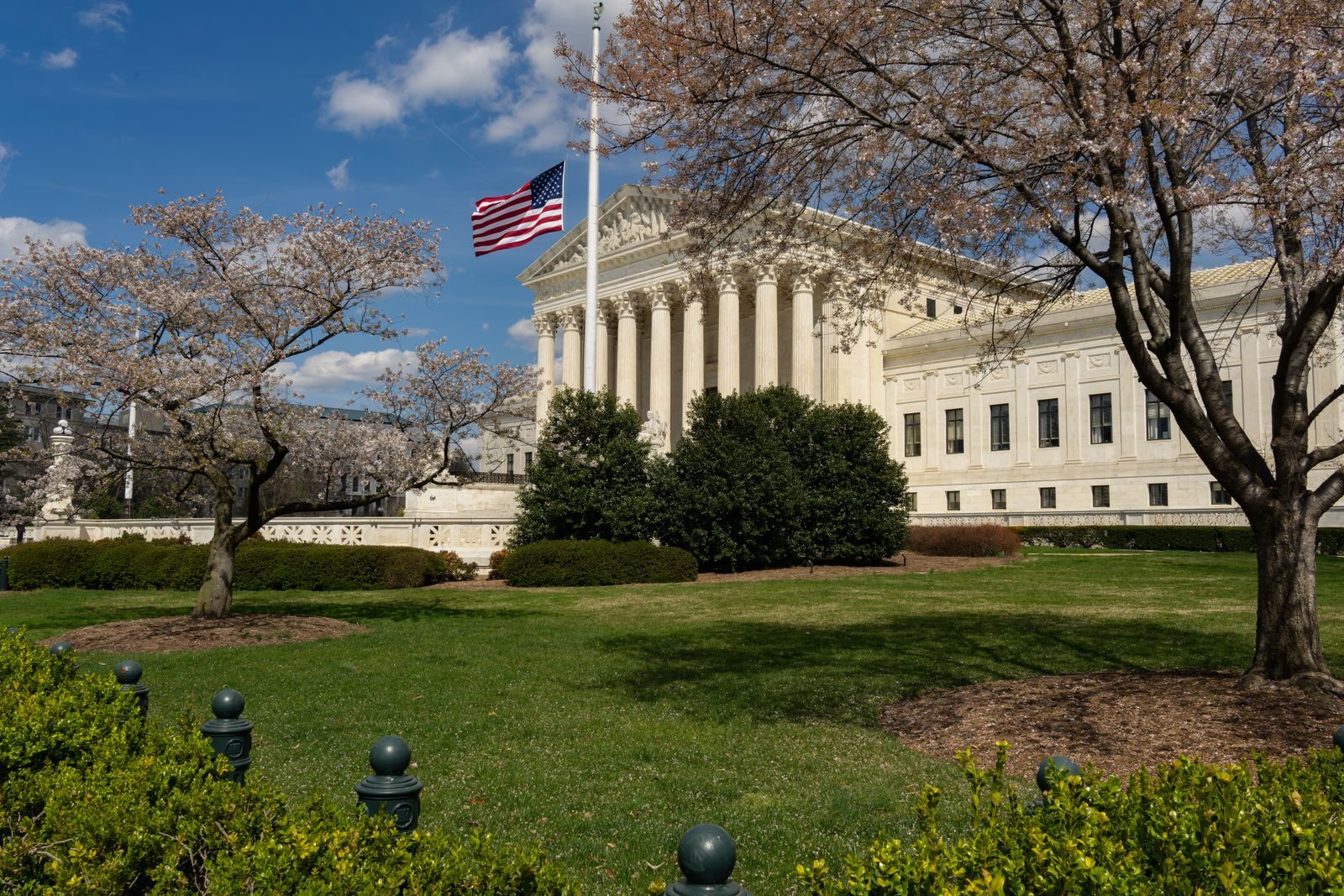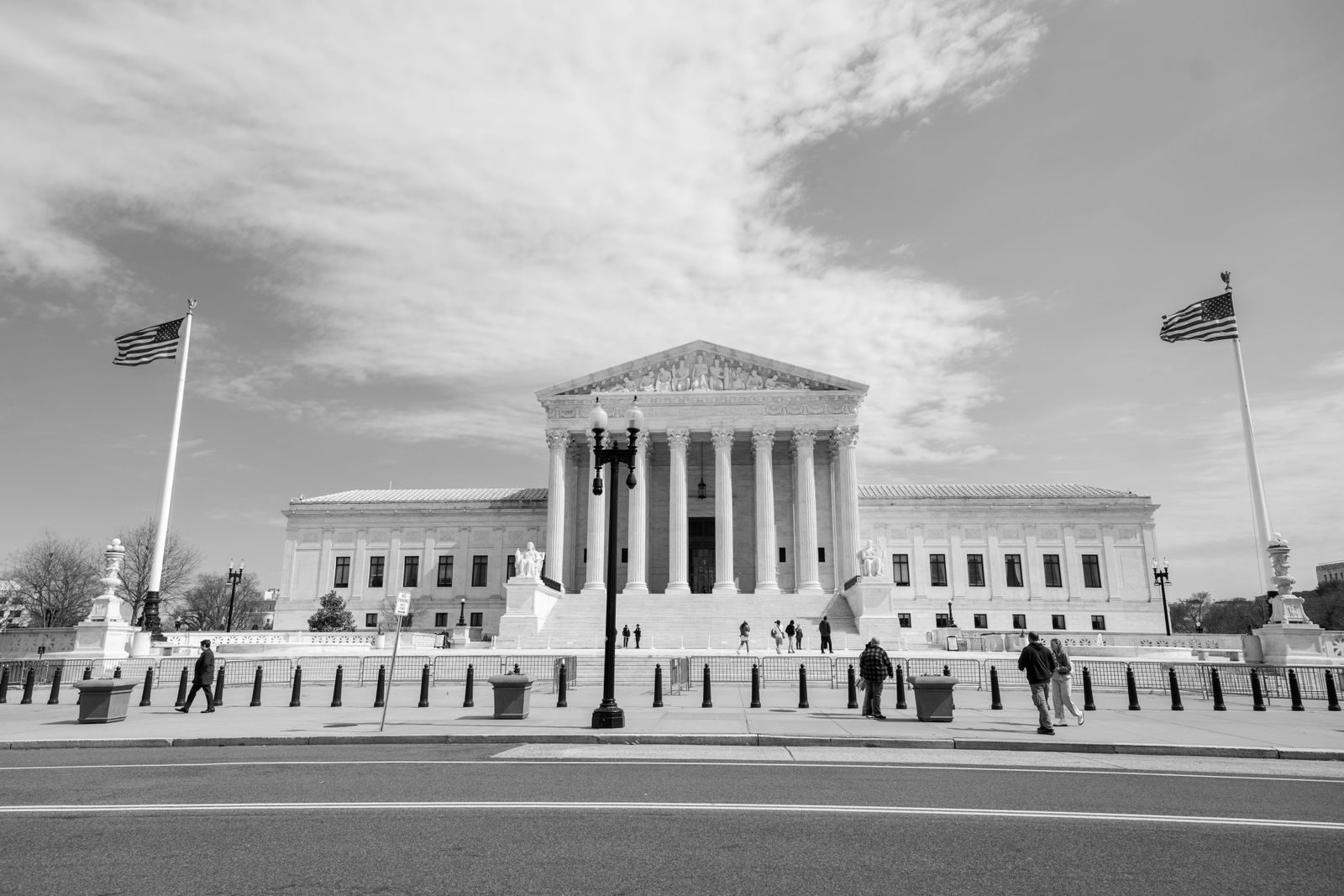
WASHINGTON — The Supreme Court has agreed to decide whether the federal government can keep a ban on making liquor at home. The justices took up the case on Monday, Oct. 19. It is called Department of Justice v. McNutt, No. 26-204, according to a Supreme Court summary from the law firm Dorsey & Whitney.
The ban dates back to the 1860s. Two federal appeals courts have reached opposite conclusions about it.
What the law says
Federal law bars the production of distilled spirits “in any dwelling house” or in any shed, yard or enclosure connected with a dwelling house. The rule is part of the tax code, 26 U.S.C. § 5178(a)(1)(B). Federal law does allow adults to make limited amounts of beer and wine at home, but not distilled spirits such as whiskey or vodka.
The split in the courts
- The Fifth Circuit struck the law down, ruling that it was an unconstitutional use of Congress’s power to levy taxes.
- The Sixth Circuit upheld the law.
The Justice Department is asking the Supreme Court to settle the question.
The question the court will answer
The court will decide whether the ban on producing distilled spirits in homes and the buildings and yards attached to them is “necessary and proper” for carrying out Congress’s power to lay and collect taxes.
What happens next
The justices will schedule arguments in the coming months and usually decide cases by late June or early July. Until then, the law stays in effect in most of the country, and the Fifth Circuit’s ruling applies only in its own region.
The Court also agreed on Monday to hear a case about race and magnet school admissions in Maryland.