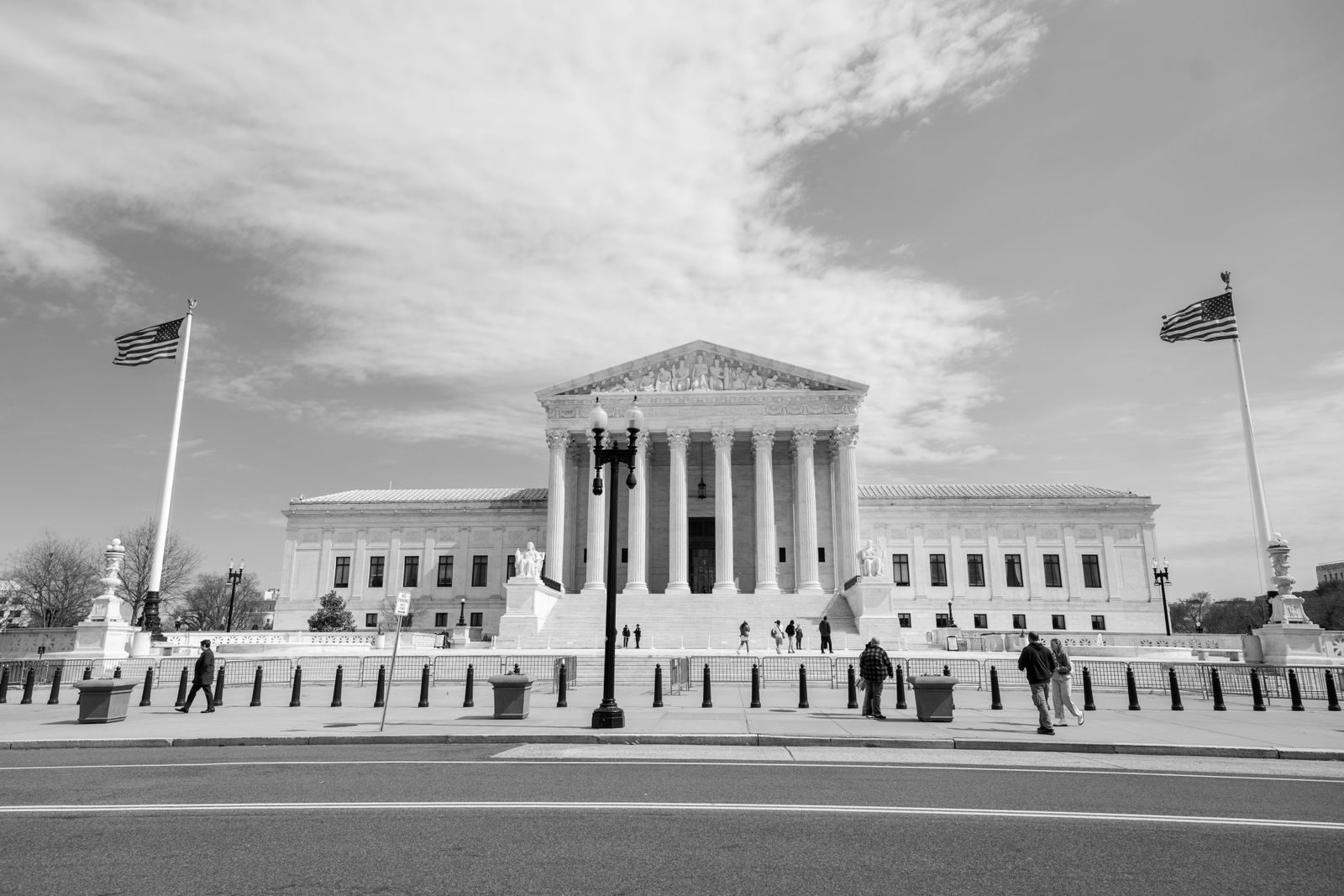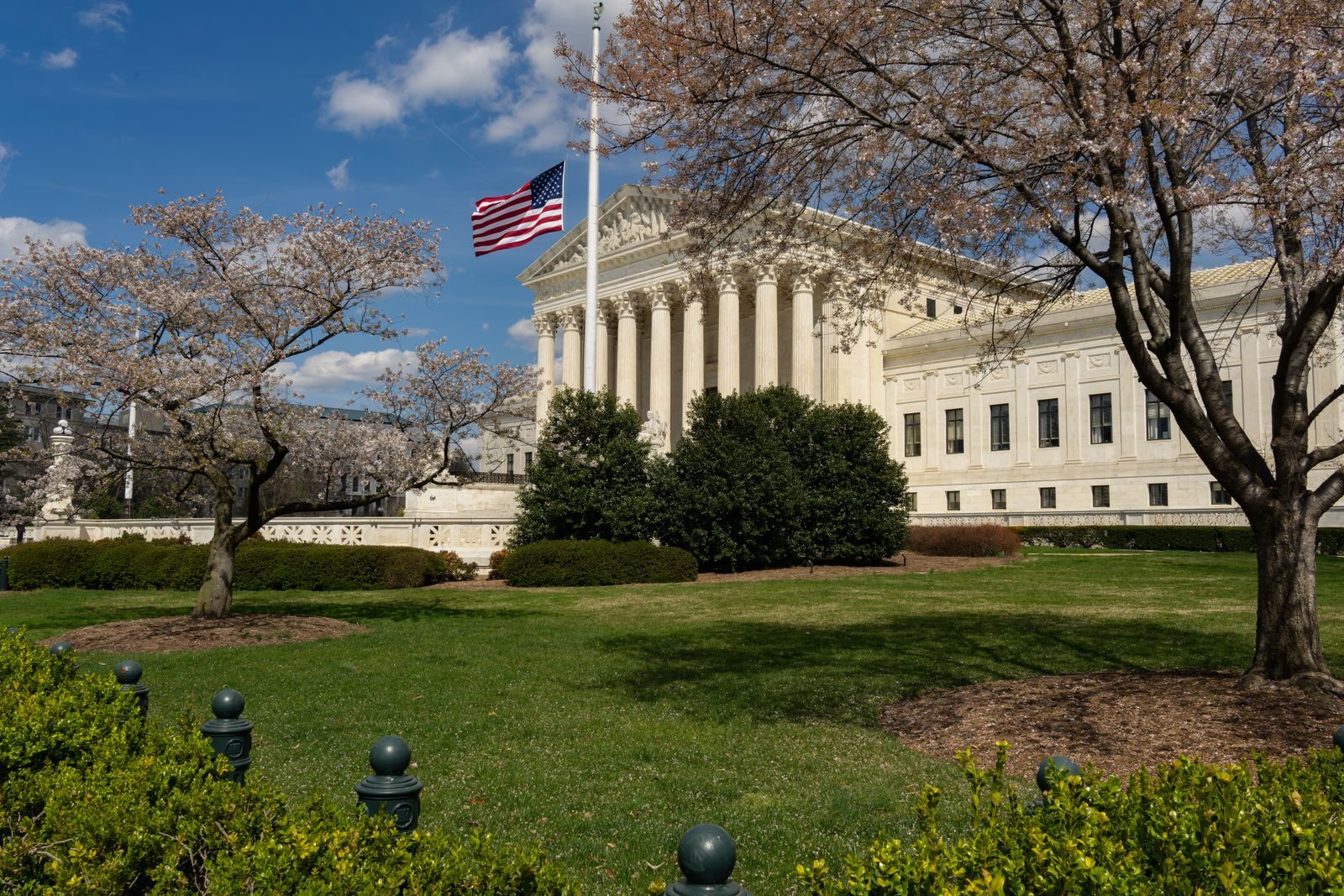
WASHINGTON — The Supreme Court agreed Monday, Oct. 19, to hear a case about race and admissions to competitive public middle school programs in Maryland. The case asks how a challenger must prove that a school’s admissions policy discriminates when the policy does not mention race.
The case is called Association for Education Fairness v. Montgomery County Board of Education, No. 26-12, according to a Supreme Court summary from the law firm Dorsey & Whitney.
What the case is about
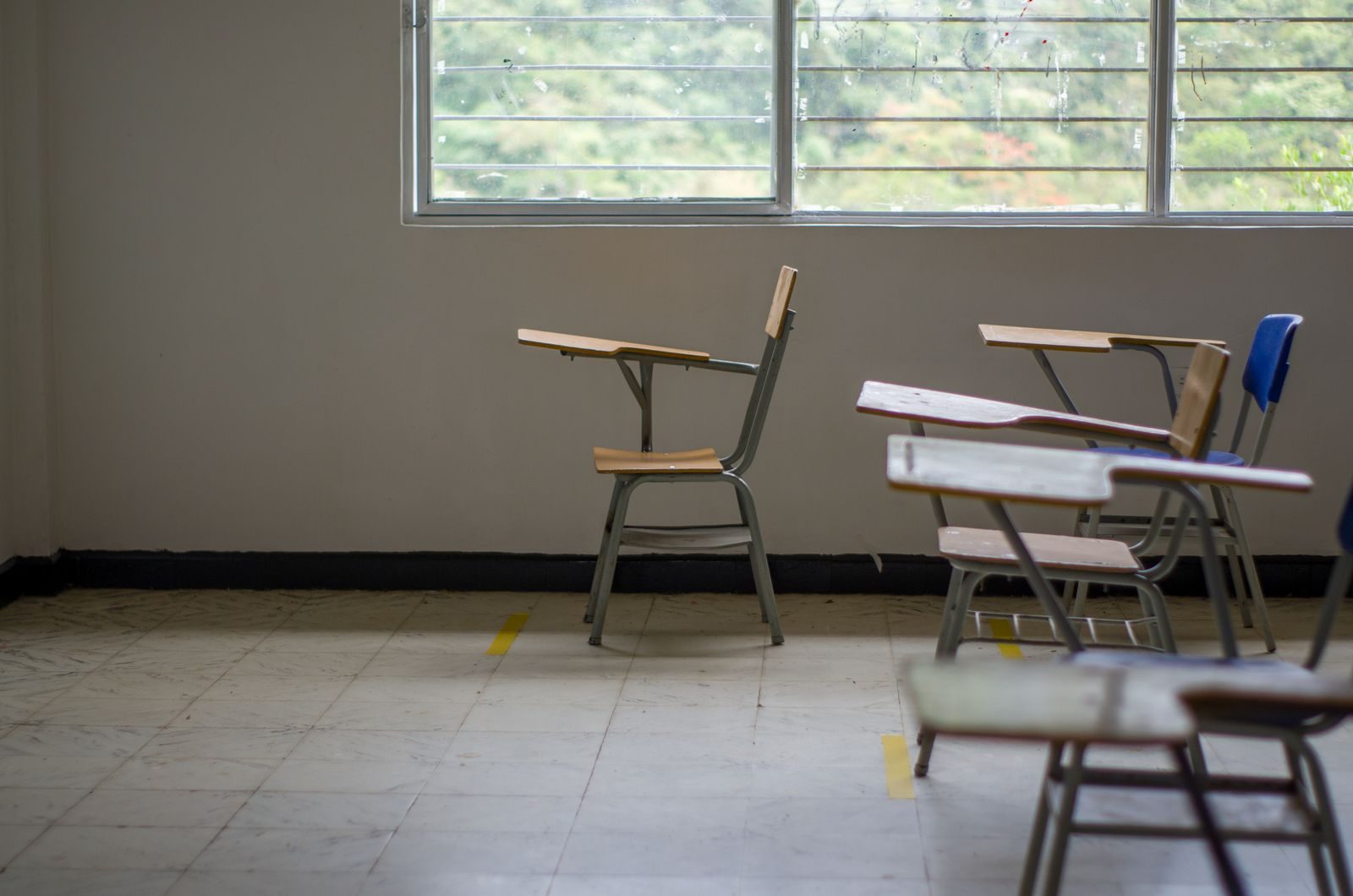
A group called the Association for Education Fairness sued Montgomery County, Maryland, over how students are admitted to competitive public magnet middle school programs. The schools use a lottery. Only students who meet certain academic criteria can enter it, including scores on locally normed assessments, which compare students with others in the same area.
The group says the policies were intentionally designed to discriminate against Asian American students and that the policies reduced the number of Asian American students who were admitted. It brought the case as an equal protection challenge under the Constitution.
The question for the justices
The Supreme Court will decide this question: when someone challenges a policy that looks neutral on its face as racially discriminatory, must they show that the targeted racial group suffered an overall disparate impact compared with its share of the applicant pool?
In plain terms, the court will look at what evidence a challenger needs to bring a discrimination claim against a school’s admissions rules when those rules do not use race directly.
What happens next
The justices will hear arguments in the coming months. Cases accepted this fall are usually decided by the end of the court’s term in late June or early July. The court did not rule on the merits of the dispute on Monday. It only agreed to take the case.
The Court also agreed on Monday to hear a separate case about a federal ban on home distilling, which we cover in a separate report.