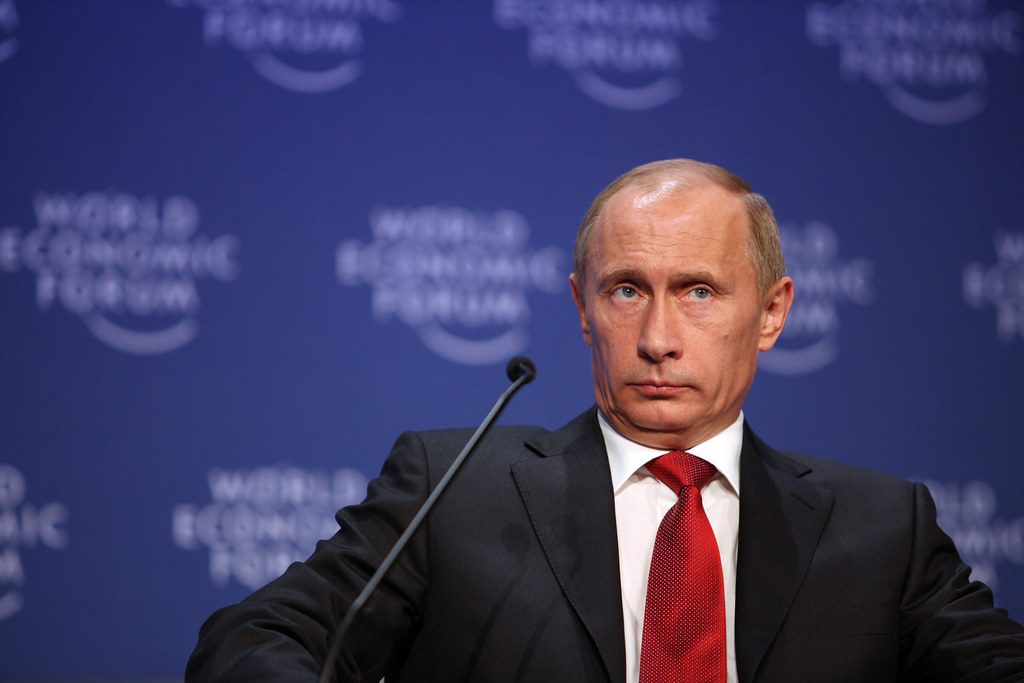
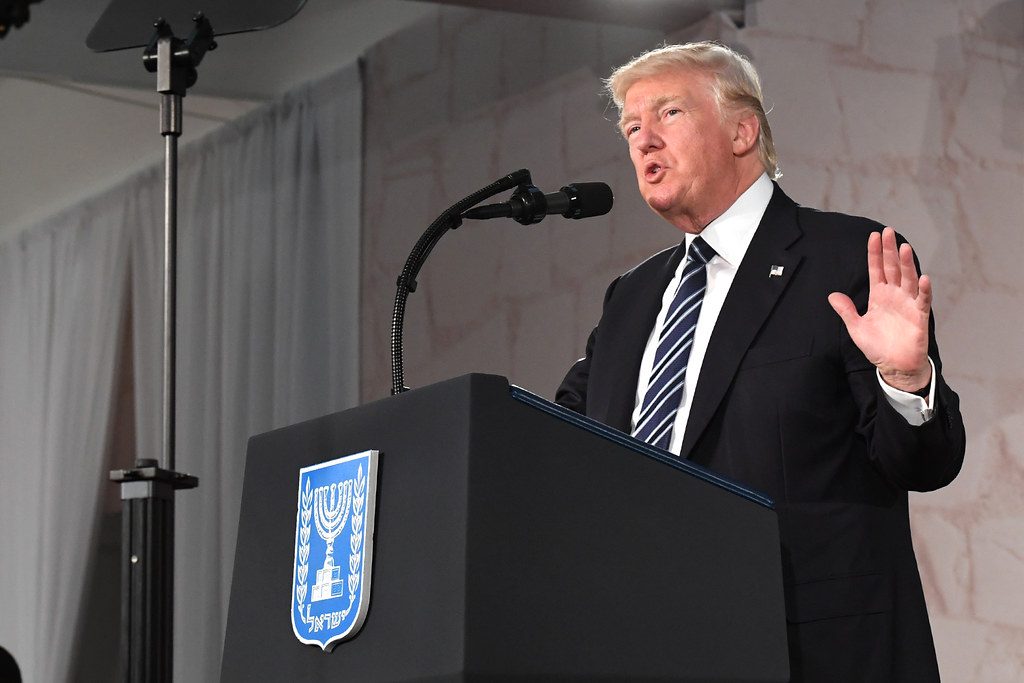
President Donald Trump says he must soon choose between making a deal with Iran and resuming attacks, and he has hinted that any new strikes could come after the Nov. 3 midterm elections. He said Sunday that it is “getting to be decision time,” The Japan Times reported, citing his interview with Fox News.
He ruled out a strike on Sunday, but he left the door open to military action later and gave no date for a decision.
What Trump said
In the Fox News interview, Trump described his choice as finishing the job or striking a deal, saying that an attack would be easy. He said any agreement would have to permanently stop Iran from building a nuclear weapon, and he questioned whether Tehran would keep its word. He told reporters he had received differing intelligence reports but would not explain them. Asked directly whether the United States might strike that day, he declined to say, then said there would be no strike on Sunday.
The Hill reported Saturday that U.S. Central Command has prepared strike plans that could be carried out on Trump’s order, and The Japan Times reported that he has sent more forces toward the Persian Gulf, including a third aircraft carrier group. Trump rejected a report that strike options were prepared for after the midterms.
Iran’s response
Iran says it is preparing a military response to any new U.S. attack. Qatari mediators visited Tehran on Sunday, and officials from Saudi Arabia, Turkey and Pakistan were meeting Iranian leaders there Monday. A spokesman for Iran’s parliament speaker, Abbas Gouzardi, said talks with Washington would serve no purpose until Tehran’s seven conditions are met, and he dismissed Trump’s warnings as boasting.
Iran’s ambassador to Pakistan said Saturday that Iran offered to reopen the Strait of Hormuz if the U.S. blockade were lifted and that Trump rejected the offer, according to CBS News.
Oil and shipping
The Strait of Hormuz remains the center of the dispute. Trump says the United States controls the waterway and that crude flows have returned to prewar levels. Overall trade through the strait is still sharply reduced, though, and energy prices remain high because of shipping disruptions and tight refining capacity. Iran’s Revolutionary Guard says seven ships were hit Thursday, a claim that is disputed. For the earlier tanker attacks, see our report on the Strait of Hormuz drone strikes.
Why the timing matters
The war began Feb. 28, when the United States and Israel started striking Iran, and Reuters has reported that high fuel costs have hurt Republicans ahead of the midterms. Trump has said Iran is trying to raise oil prices ahead of the vote. No agreement or new strike order had been announced as of Monday morning Eastern time.